Debunking Chess Myths: What Every Parent Should Know
JB
Understanding the Basics of Chess
Chess is often seen as a complex and intimidating game, but its fundamentals are quite accessible. At its core, chess is a strategic board game played between two opponents. Each player controls an army of 16 pieces, with the ultimate goal of checkmating the opponent's king. For parents, understanding these basics can demystify the game and create a welcoming environment for children to learn.
Myth 1: Chess is Only for Geniuses
One of the most common myths about chess is that it's exclusively for geniuses or intellectuals. This misconception can deter many from engaging with the game. While chess certainly involves strategic thinking, it is a skill that can be nurtured over time. Numerous studies show that children of all intelligence levels can enjoy and benefit from playing chess.
Myth 2: Chess is Too Difficult for Young Children
Another pervasive myth is the belief that chess is too difficult for young children to grasp. In reality, many children as young as five or six can learn the rules and begin playing. Early exposure to chess can enhance cognitive development, improve problem-solving skills, and boost concentration. Parents should encourage their children to explore the game without the pressure of mastering it immediately.
The Benefits of Learning Chess
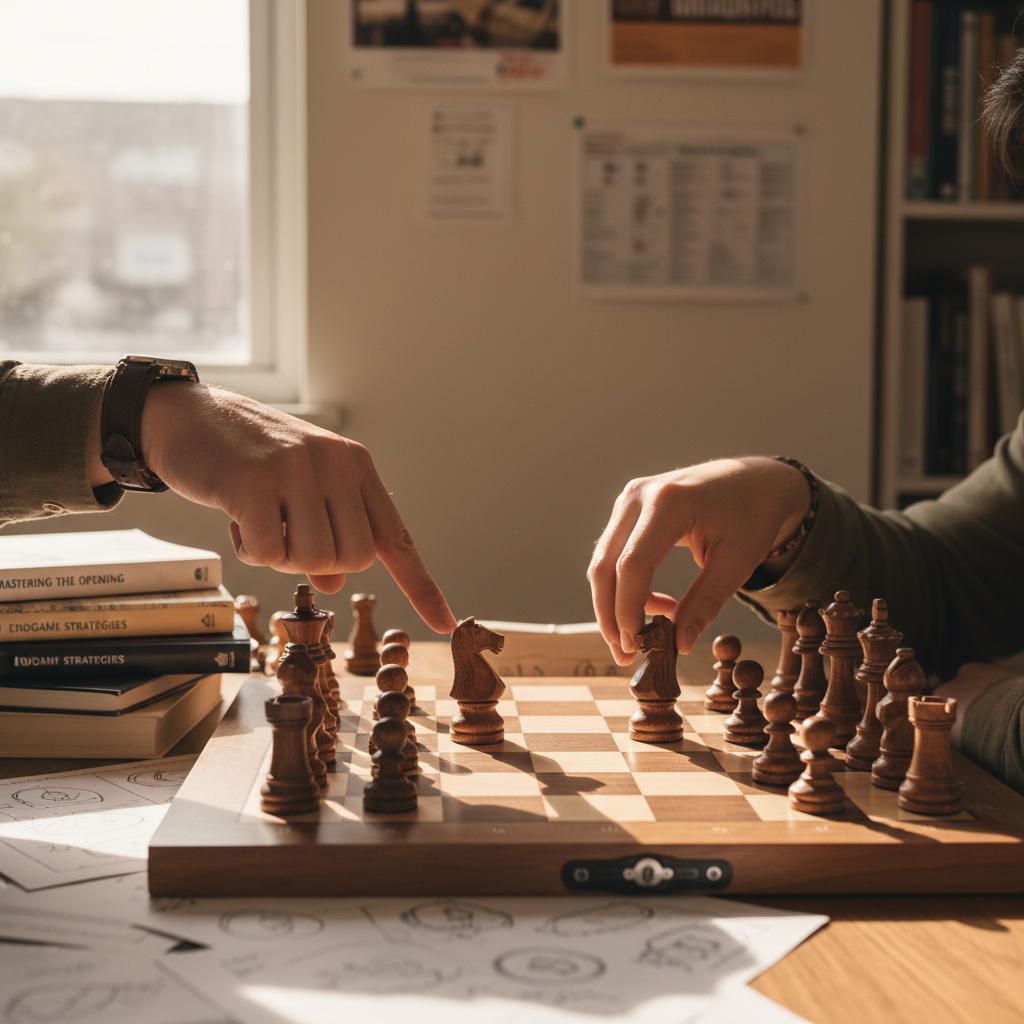
Chess offers a myriad of benefits that go beyond entertainment. It can help children develop critical thinking skills, improve memory, and foster creativity. Playing chess also teaches patience and discipline, qualities that are valuable in everyday life. By encouraging children to play chess, parents can support holistic development.
Myth 3: Chess is a Solitary Activity
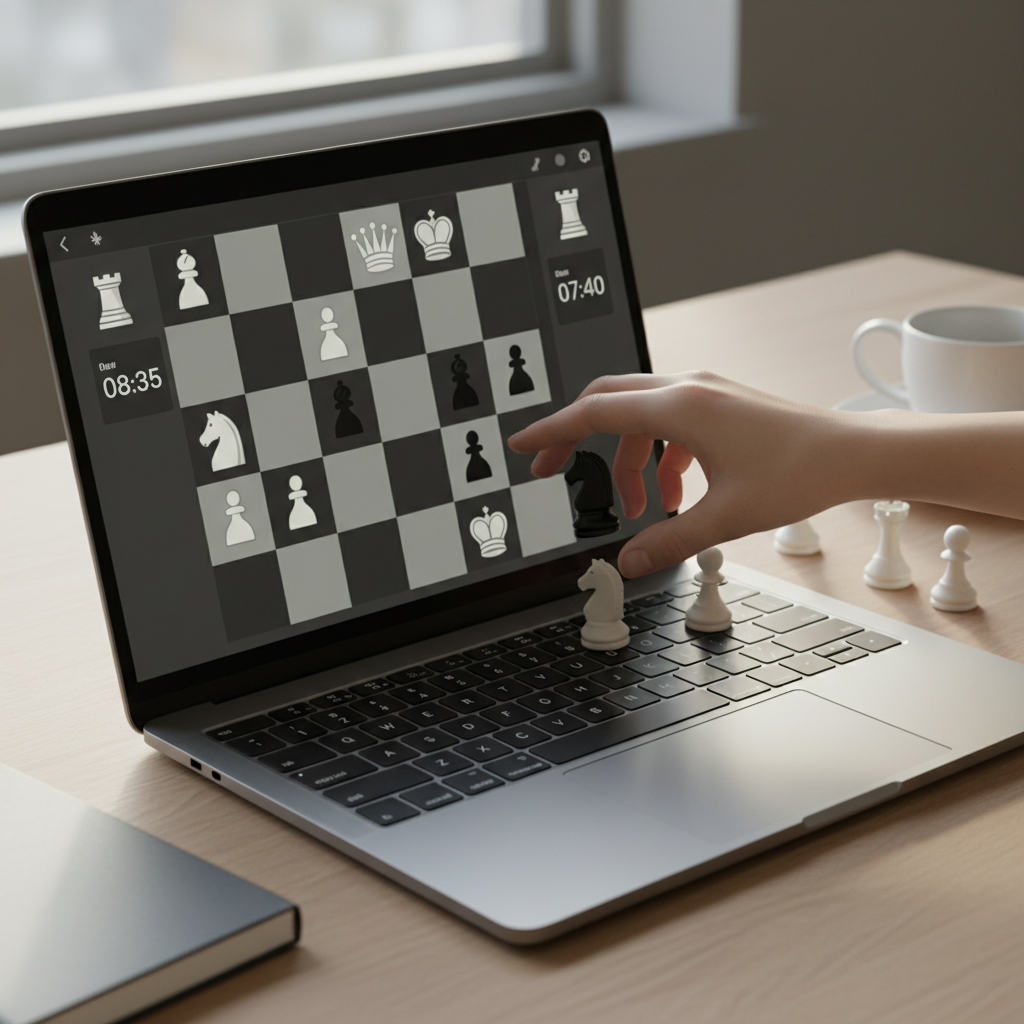
Many people view chess as a solitary pursuit, but it can be a highly social activity. Chess clubs and online platforms offer opportunities for children to connect, compete, and learn from peers worldwide. Parents can promote this social aspect by enrolling their children in local chess clubs or organizing friendly family tournaments.

Myth 4: Chess is Just a Game
While chess is indeed a game, it is much more than that. It serves as a powerful educational tool that can be integrated into a child's learning journey. Schools that incorporate chess into their curriculum often see improvements in students' academic performance and behavior.
Encouraging a Love for Chess
Parents can play a pivotal role in nurturing a love for chess by making it a fun and engaging experience. Consider introducing chess-themed books, puzzles, or apps that offer interactive ways to learn and play. Remember, the focus should be on enjoyment and exploration, not pressure or competition.
By debunking these myths and understanding the true nature of chess, parents can open up a world of possibilities for their children. Chess is more than a game; it's a lifelong skill that can enrich lives in countless ways.